
Walking a busy floor in Cairns during the peak arvo rush, you learn quick that a posted minimum is more than a number – it is a filter for the whole session. Live casino australia table limits work the same way online, setting the pace before a single card is dealt. We look at how those caps and floors affect your bankroll, your game choice, and the rhythm of play, rather than just quoting a list of stakes.
What Table Limits Actually Do On Live Tables
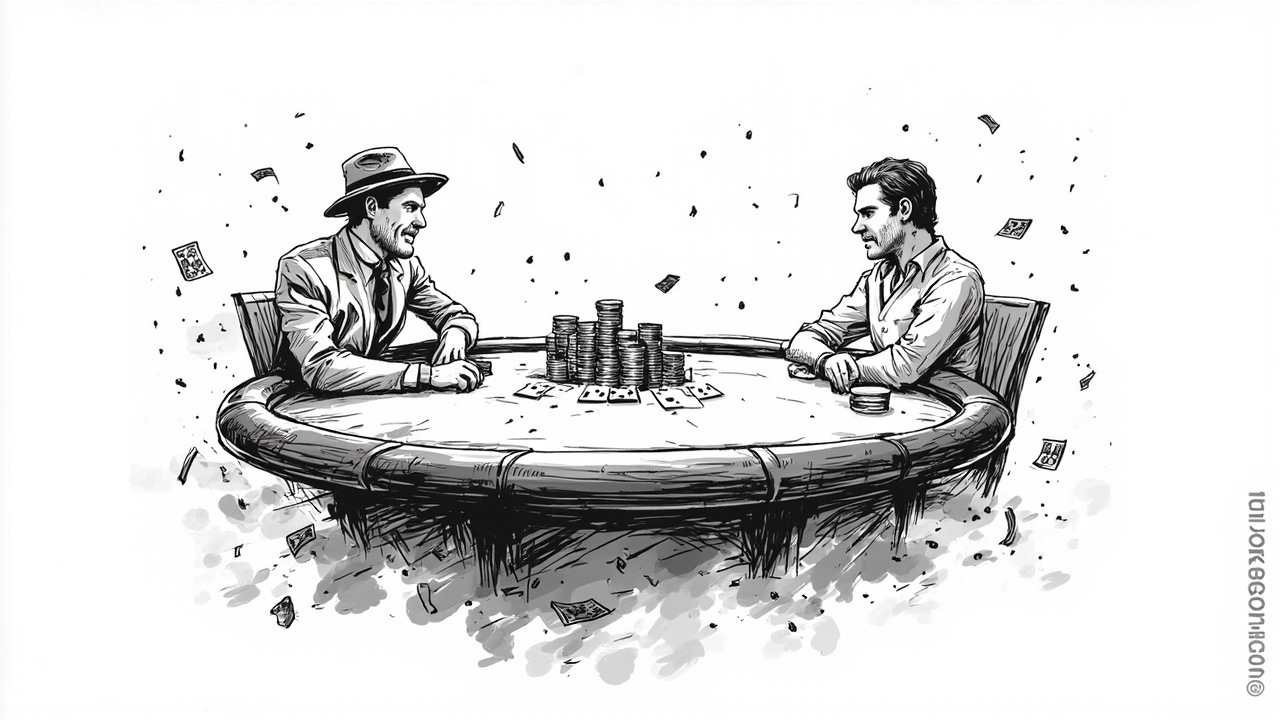
A table limit is the smallest and largest you can stake on a single round, and it shapes everything from bet sizing to how long your credits hold up. On a live blackjack table, a $5 minimum keeps the game accessible, while a $500 max protects the operator and keeps variance in check. I have watched punters blow through a session because they chased a low-limit table with a betting progression that did not fit the ceiling. The right spread gives you room to manoeuvre without forcing you into uncomfortable jumps between rounds.
Limits also signal the kind of game you are sitting down to. Lower minimums tend to move faster and draw a broader crowd, which suits casual play and shorter sessions. Higher ceilings usually sit on tables with fewer seats, slower pace, and a dealer who can handle larger action without rushing the hand. That difference matters when you are deciding whether a table fits your staking plan or just looks cheap at first glance. wild card city login
When you compare that to how it works overseas, the contrast is clear. In the UK and parts of Europe, live tables often run tighter minimums but with stricter stake increments and more visible pacing rules, while US live rooms can swing wildly between $1 and $10,000 spreads depending on the property and time of night. Down Under, we tend to keep things steadier, with limits that reflect local demand and the practical realities of running a live stream for an Australian audience rather than chasing every possible stake level.
Reading The Spread Across Different Live Games
Not every live game uses limits the same way, and treating them as interchangeable is a quick way to misjudge a session. Here is how the spread usually plays out across the common live offerings you will see on a well-run floor or a decent streaming room.
| Game type | Typical low end | Typical high end | What the spread tells you |
|---|---|---|---|
| Live blackjack | $5-$10 | $250-$500 | Room for progression, but a hard ceiling that stops runaway staking |
| Live roulette | $5-$15 | $300-$600 | Wider betting options, so limits need to cover inside and outside bets |
| Live baccarat | $10-$25 | $400-$800 | Often faster and higher tempo, with limits tuned to bigger action |
Live blackjack is where most players first notice the difference, because the limit interacts directly with your betting pattern. A table with a $10 minimum and a $300 maximum gives you space to vary your bets without immediately hitting the roof, but it also means a bad run can chew through a bankroll if you keep pushing the top end. I have had dealers call over a floor manager when a player kept doubling down near the cap, not because it was against the rules, but because the rhythm was getting reckless and the game needed a reset.
Roulette limits deserve a closer look because the spread has to cover a lot more bet types. A $5 outside bet and a $500 straight-up wager can sit on the same wheel, so the posted limits have to make sense across that range. If the ceiling feels too tight for the inside bets you want to place, the table may not be the right fit even if the minimum looks friendly. I usually tell new dealers to explain the spread out loud at the start of a shoe, because most disputes come from players assuming the max is the same for every chip they drop.
Baccarat tends to run a touch higher across the board, and the limits often reflect that faster, higher-tempo feel. When I am training a new table, I emphasise that the minimum is not the whole story – the gap between the floor and the ceiling is what tells you whether the game can absorb your style. A narrow spread on baccarat can feel restrictive even when the minimum is low, because the game moves quickly and there is less time to adjust between hands.
If you are weighing how those limits carry over when you move from a desktop setup to a smaller screen, it is worth checking tablet casino play before you settle into a session. That way you know the display, controls, and stake buttons will keep up with the pace instead of fighting you mid-hand.
Picking A Limit That Fits Your Session
The best limit for you is the one that matches how you actually play, not the one that looks cheapest on the sign-up page. If you like a longer, steadier session, a lower minimum with a sensible ceiling gives you room to stay in the game without forcing big jumps. If you prefer shorter bursts with larger per-round action, a higher spread can make more sense, provided your bankroll can absorb the swings without turning a fun night into a stressful one.

I always tell players to think about their stop point before they pick a table, because the limit only matters if it works with the amount you are comfortable bringing to the session. A table with a $500 max is not automatically better than one with a $250 max if your plan was to keep each bet modest and play for an hour or two. The right fit is the spread that lets you follow your own plan without constantly bumping into the ceiling or feeling cramped by the floor.

There is also a practical side to this that people overlook: limits can affect how a table feels over time, not just on the first hand. A room that consistently runs near its maximum can feel tense, while one that sits well below the ceiling can feel loose and unhurried. On a live floor, I have seen the same game feel entirely different depending on where the action sits within the posted spread, and that same dynamic carries across to streamed tables when you are choosing where to sit down.
If you want to keep an eye on how your play is tracking across a longer period, some operators layer in loyalty perks, cashback, or repeat-play incentives that sit alongside the posted limits rather than replacing them. Those ongoing features are worth weighing against the spread itself, because a table that fits your staking plan and still gives you something to come back to is usually a better match than a flashy welcome offer that says nothing about the next session.
Where Limits Meet Responsibility And Fit
Limits are not a guarantee of control, but they are a useful guardrail when you use them honestly. A posted ceiling can slow down a bad run, and a sensible minimum can stop you from overcommitting on a whim, yet neither one replaces a clear plan for the session. If the numbers start to feel uncomfortable, the right move is to step back, not to hunt for a different table that lets you keep pushing.
Anyone who finds that their gambling is starting to create pressure, debt, or stress should treat that as the signal to pause and get help, not as a problem to solve by changing tables. Financial counselling helps people manage gambling-related debt, and it is a practical option worth considering early rather than after a session has already gone too far. The limit on the table is only one part of the picture; the bigger one is knowing when the game is no longer fitting the day you planned. Tablet Casino Play: A Practical Guide
I have sat with dealers and floor staff after a tough shift and listened to the same pattern come up again and again: the players who stay comfortable are the ones who match the table to their plan, not the ones who treat every limit as a challenge to beat. That is the comparison I keep coming back to after twenty years on the floor. A limit is there to shape the game, and your job is to decide whether that shape suits the way you want to play.
A final thought from the data side: Oliver O’Brien, Sports Betting Analyst, Red Centre Analytics, has noted that stake spread and session length tend to move together more than most players expect, so a table that looks affordable at the minimum can still be a heavy fit if you stay too long. Ella Carter, Senior Market Analyst, Southern Star Esports, has pointed out that the live experience itself – pace, visibility, and how the limits are presented – often shapes repeat play more than the headline numbers alone. Claire Morris, Marketing Director, Waratah Digital Group, has also observed that players stick around when the limits feel consistent with the rest of the experience, rather than when a single table promises the highest ceiling on paper.
If you are weighing a site and want to move through the setup quickly, a wild card city login can get you to the tables without dragging the process out, but the spread on the game still deserves the same careful look before you sit down. Mario Puzo, of The Godfather, also wrote about Las Vegas, and even he understood that the house edge and the posted rules are only part of the story – the rest is how people actually behave once the cards are live. On a live floor, I have always reckoned that the same applies: the limits set the frame, but your plan decides whether the session stays fun or turns into a problem.